Why Specialized Destruction Protects Our Environment
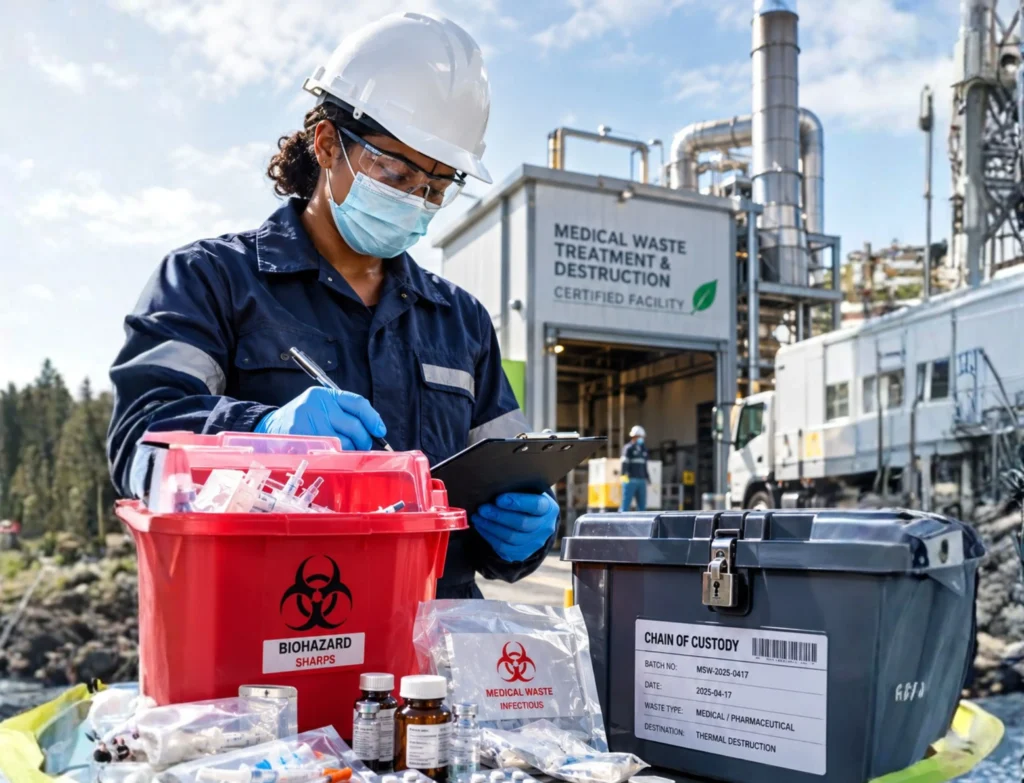
Why Specialized Destruction Protects Our Environment Improper hazardous waste management is one of the most silent yet destructive threats to our local ecosystems. Every day, clinics, laboratories, healthcare facilities, and industries generate tons of medical waste and expired medications. When these materials end up in municipal landfills, the environmental and public health consequences are devastating. Furthermore, the transition toward responsible management strengthens regulatory compliance and institutional sustainability. Implementing secure chains of custody and certified destruction processes directly reduces operational risks. This collaborative effort allows us to transform medical waste management into a cornerstone of the region’s well-being and development. The impact of sending biological and pharmaceutical waste to landfills Conventional landfills are neither designed nor equipped to process biohazardous waste or active chemical compounds. Improper disposal creates serious risks: Aquifer contamination: Expired medications dissolved by rainfall leach synthetic chemicals (antibiotics, hormones, painkillers) into groundwater sources and rivers, disrupting aquatic wildlife and contaminating drinking water. Antimicrobial resistance: The constant presence of pharmaceutical waste in soil and water fosters the development of bacteria that are highly resistant to standard medical treatments. Danger to waste collectors and wildlife: Untreated sharps pose an imminent risk of puncture injuries, infections, and the transmission of bloodborne pathogens. Specialized Destruction Solutions To prevent these contaminants from reaching the environment, we offer a comprehensive service comprising collection, safe transport, and controlled thermal or chemical destruction. 1. Handling of sharps and medical materials We collect and process certified containers for sharps (needles, scalpels, syringes), as well as bandages and materials contaminated with biological fluids. Through high-temperature incineration or advanced autoclaving processes, we ensure absolute sterilization and the physical destruction of the material prior to final disposal. 2. Management of expired pharmaceutical products Expired or out-of-specification medications require a strict neutralization protocol. Our destruction process ensures that chemical active ingredients are rendered completely inactive, preventing the diversion of products to the informal market and eliminating the risk of soil contamination. Protecting the environment is a shared responsibility. Ensuring the proper disposal of medical and pharmaceutical waste not only complies with current regulations but also preserves our natural resources for future generations. By implementing advanced solutions for collection, high-temperature incineration, and certified chemical destruction, your institution prevents these toxic substances from contaminating the soil and our water sources. At WASTEServices, we support clinics, laboratories, and industrial facilities with comprehensive collection protocols and the issuance of final destruction certificates. Contact us today to ensure responsible waste management and protect the environment.
The Challenge of Corporate Electronic Waste Management
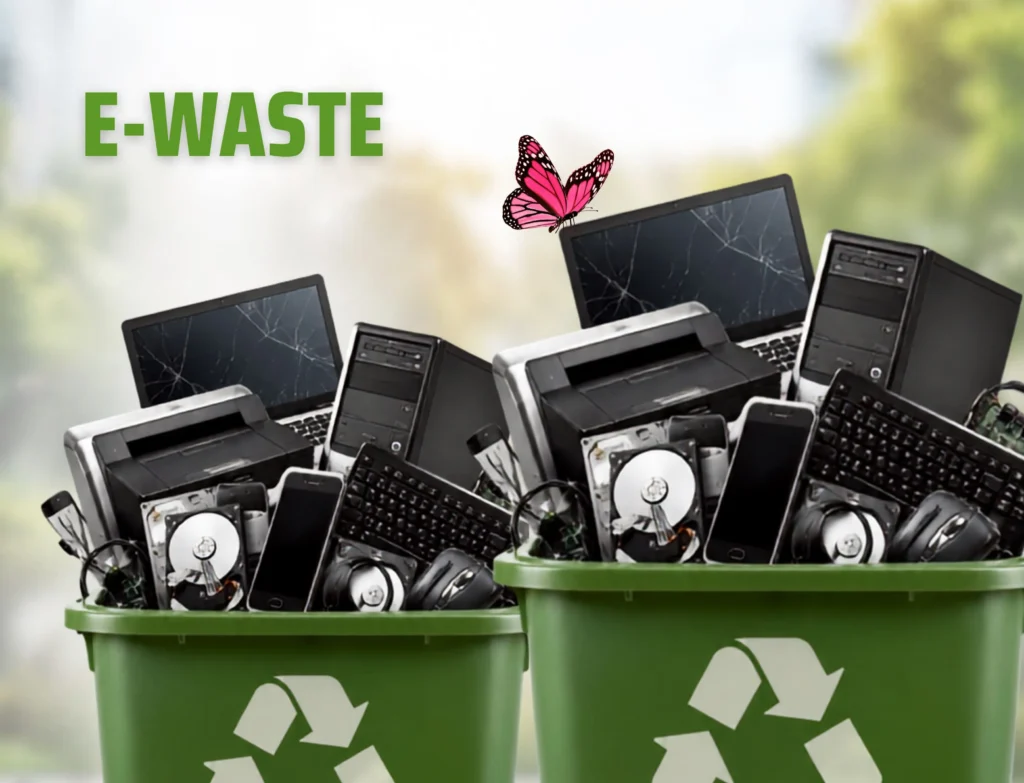
The Challenge of Corporate Electronic Waste Management In today’s dynamic corporate and industrial landscape, the rapid upgrading of IT and technology equipment creates a constant challenge: the accumulation of retired hardware. Obsolete monitors, computers, servers, cabling, printers, and batteries often end up taking up valuable space in warehouses and offices, becoming a logistical and operational liability. Storing or informally disposing of these items not only represents an inefficient use of space but also exposes organizations to security risks, environmental non-compliance, and administrative penalties. Waste electrical and electronic equipment (WEEE or e-waste) is not ordinary trash. It contains components and materials that require careful handling during removal and transport to prevent the release of harmful substances or the unauthorized handling of company assets. Our Specialized E-Waste Collection Service At Kaizen Environmental Services, we provide companies with an efficient, safe, and fully compliant logistics solution through our Electronic Waste Collection Service. We handle the on-site pickup and secure transport of your retired assets, ensuring the highest level of professionalism at every stage of the process. Key Aspects of Our Collection Service: On-Site Pickup: We coordinate pickup directly at your facilities, accommodating your company’s schedules and logistical requirements. Safe Handling and Transport: We employ trained personnel and utilize vehicles equipped for the proper handling of hazardous and non-hazardous materials, adhering to safety standards for transport.
Food safety: The secret behind a safe and successful product

Food safety: The secret behind a safe and successful product In the food industry, consumer trust is not earned by accident; it is built dish by dish, batch by batch. Ensuring product safety and quality requires rigorous controls at every stage of the supply chain. This is where food sampling becomes the primary line of defense for any responsible company. Food sampling is the systematic process of collecting and analyzing representative samples ranging from raw materials to finished products to evaluate quality and safety parameters. This analysis enables the precise identification of microbiological pathogens (such as *Salmonella* or *E. coli*), chemical contaminants, undeclared allergens, or changes in product composition. The indispensable value of performing this test. Regulatory compliance and peace of mind: Ensures that food products strictly meet current legal and sanitary standards, facilitating audit processes and avoiding legal risks, penalties, or product recalls. Protection of the end consumer: Detecting microbiological or chemical risks early prevents foodborne illness outbreaks, thereby safeguarding the community’s health and well-being. Safeguarding reputation and brand: Customer trust is fragile; a single contaminated batch can destroy years of credibility. Periodic testing demonstrates a genuine, transparent commitment to excellence. Comprehensive supply chain control: Adopting a “farm-to-table” approach, this testing enables precise detection and intervention at the exact point where a biosecurity failure occurs—from the agricultural source to final packaging. At KaizenLAB, a division of Kaizen Environmental Services, we support the agri-food industry by offering precision analytical services and reliable results. Our technical team helps transform quality management into a sustainable competitive advantage.
Types of Spilled Oil and Their Impact on the Water Column
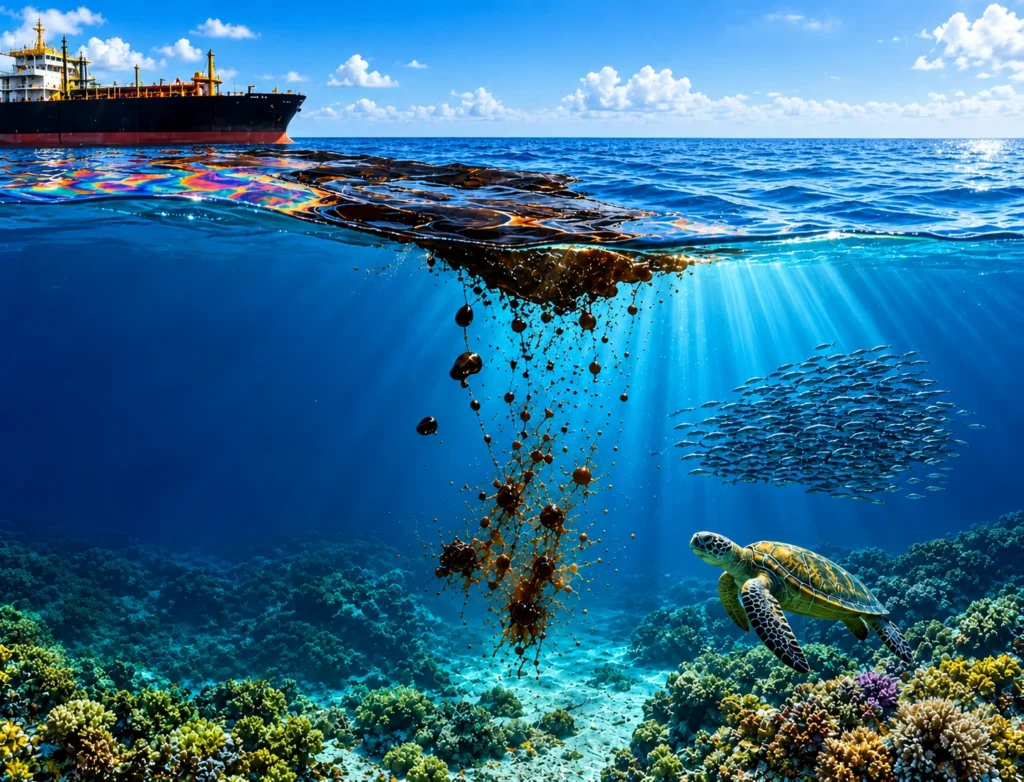
Types of Spilled Oil and Their Impact on the Water Column When a hydrocarbon spill occurs in the marine environment, the operational response and the level of ecological damage do not depend solely on the volume spilled. The physical and chemical properties of the spilled material determine how it interacts with the water, at what depth it moves, and what containment and removal strategies must be deployed. In environmental emergency management and remediation services, understanding the dynamics of each type of hydrocarbon in the water column is crucial to mitigating risks and implementing effective solutions. Ultimately, integrating sound scientific knowledge of oil behavior into emergency response protocols ensures faster containment, higher recovery rates, and a significantly reduced ecological footprint. The Behavior of Hydrocarbons According to Their Classification Not all oils and their derivatives act the same way when they come into contact with the sea. Their viscosity, density, and degree of volatility make all the difference in their environmental trajectory: 1. Light Crude Oil Due to its low density, this type of crude tends to spread rapidly over the sea surface, forming thin layers (slicks). Although a significant portion evaporates within the first few hours, it contains a high proportion of volatile aromatic compounds that generate immediate acute toxicity for surface fauna, seabirds, and organisms in the intertidal zone. 2. Heavy Crude Oil Unlike light crudes, heavy oil has a high viscosity that hinders its natural dispersion. It forms dense masses and emulsions that can persist for weeks or months in the water. Its low evaporation rate increases the risk of smothering marine life and drastically complicates mechanical recovery efforts. 3. Refined Fuels (Diesel, Gasoline, Kerosene) Refined products usually disperse at high speeds through the water column. While they do not form persistent patches like heavy crude, their penetration into the aquatic column represents a serious chemical threat. Their components easily penetrate the tissues of fish and invertebrates, being especially lethal during early developmental stages (eggs, larvae, and fry). 4. Heavy Fuels and Residual Oils (Bunker C) These are highly persistent materials. When mixed with sediments and suspended particles, their density increases until they sink, accumulating on the seabed. This shifts the environmental impact from the surface to benthic ecosystems (seabeds and reefs), causing long-term deterioration in the underwater habitat. 5. Biodegradable Oils and Lubricants Although designed to break down faster through natural microbiological processes, biodegradable does not mean harmless. During their degradation process, these oils can consume large amounts of dissolved oxygen in the water, creating temporary anoxic zones that affect the respiration of local species.
Smart Solutions for Advanced Wastewater Treatment
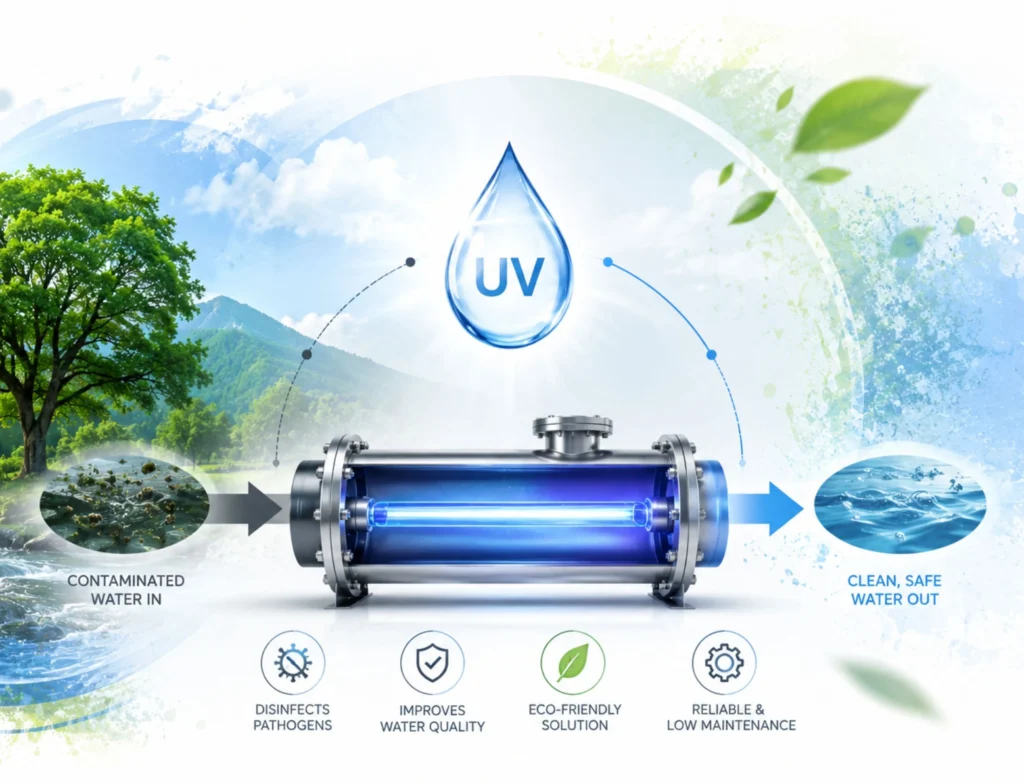
Smart Solutions for Advanced Wastewater Treatment In a dynamic industrial and commercial landscape, responsible wastewater management has become a strategic priority. With the Environmental Management Authority (EMA) of Trinidad and Tobago updating and enforcing its Water Discharge Regulations, companies face the ongoing challenge of maintaining operations within regulatory standards without compromising operational efficiency. Improper effluent management not only entails the risk of regulatory penalties or sanctions but also negatively impacts local ecosystems and corporate reputation. Given this context, having a robust, compact, and adaptable treatment system is essential to ensuring long-term regulatory compliance. Our Solution: Containerized Wastewater Treatment Plant (Containerized WWTP) To address this need, EnviroPRODUCTS,a specialized division of Kaizen Environmental Services (Trinidad) Limited, offers its Containerized Modular Wastewater Treatment Plant. Designed specifically for commercial and industrial applications, this unit integrates a complete, end-to-end purification process into a single, compact system. Integrated Technology Our containerized plant employs a combination of cutting-edge technologies to ensure the highest quality of treated water: Moving Bed Biofilm Reactor (MBBR): Utilizes microorganisms attached to plastic media moving within the reactor, optimizing the degradation of organic matter in a significantly smaller footprint than conventional systems. Multimedia Filtration: Removes suspended solids and fine particles, preparing the effluent for the final disinfection stage. Ultraviolet (UV) Light Disinfection: Neutralizes bacteria and pathogenic microorganisms through UV sterilization, without the need for harsh chemicals or leaving residues in the water. Ensure the Sustainability of Your Operations Today Ensuring a clean, legally compliant effluent is simple with the right technology. At Kaizen Environmental Services, we support local industry with advanced engineering solutions tailored to the specific needs of each project. Efficiently treating these flows requires advanced engineering capable of reducing the organic load and eliminating pathogens continuously and safely.
Bridging Industrial Growth and Environmental Stewardship in Trinidad & Tobago
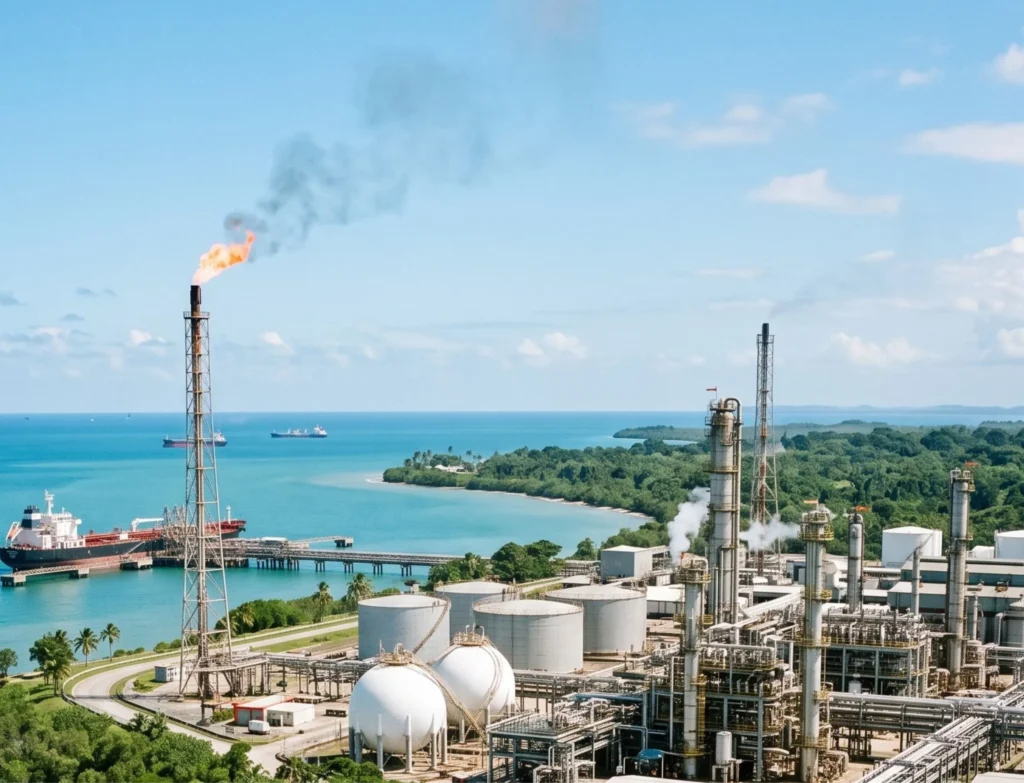
Bridging Industrial Growth and Environmental Stewardship in Trinidad & Tobago Global awareness regarding the protection of the atmosphere continues to grow—a commitment that takes on special significance each September, driven by international initiatives focused on air quality and the preservation of the ozone layer. Against this backdrop, industries face an ongoing challenge: maintaining operational productivity without compromising compliance with environmental regulations. In the complex industrial landscape of Trinidad and Tobago, protecting our atmosphere demands far more than passive observation. It requires continuous monitoring, accurate environmental data, and proactive engineering solutions that mitigate atmospheric pollutants before they impact local ecosystems or public health. How Kaizen’s Project Services Division Drives Atmospheric Compliance At Kaizen Environmental Services Trinidad Limited, we believe true sustainability begins with precise science. Through our specialized Project Services division, we provide high-precision monitoring and engineering solutions designed to keep industrial operations aligned with national standards, such as the Environmental Management Authority (EMA) regulations. Key capabilities within our Project Services portfolio include: Ambient Air & Stack Emission Testing: Quantifying gaseous emissions, particulate matter, and volatile compounds directly at the source to ensure industrial stack releases remain within permissible atmospheric limits. Indoor Air Quality (IAQ) & Industrial Hygiene Studies: Protecting workforce health by assessing workplace ventilation, airborne toxic contaminants, and indoor environmental safety. Emission Calculations & Dispersion Modeling: Utilizing advanced analytical frameworks to predict contaminant behavior and evaluate atmospheric impact prior to project execution. Environmental Impact Assessments (EIA) & CEC Support: Assisting industrial clients through the Certificate of Environmental Clearance process with data-backed baseline studies and compliance frameworks.
Science, Data, and Quality at Water Week
Safeguarding Water Through Science: The Invisible Value Behind Every Drop Water Week begins on August 23, aiming to raise awareness about the strategic value of this finite resource. In the face of population growth, climate change, and industrial pressure, protecting water requires going beyond household conservation efforts and ensuring its quality, safety, and sustainability through scientific approaches. Water safety is a critical issue: imperceptible substances and micro-pollutants can disrupt entire ecosystems and jeopardize public health. Guaranteeing clean water demands constant monitoring, analytical rigor, and comprehensive management that protects water sources at every stage of the water cycle. In this context, laboratory analysis becomes the primary tool for environmental prevention and control. Accurately assessing physicochemical and microbiological parameters enables the timely detection of invisible risks, ensuring that every drop returned or consumed meets the most rigorous standards. Science and Safety: What Cannot Be Seen with the Naked Eye To the naked eye, an effluent or body of water may appear clean, but its true quality is determined at the molecular and microbiological levels. Factors such as the presence of dissolved metals, pH imbalances, oxygen fluctuations, or the presence of pathogens require analytical rigor to detect and monitor. This is where KaizenLAB (the analytical division of Kaizen Environmental Services) plays a vital role in preserving water resources. KaizenLAB’s Contribution to Water Quality With over 30 years of analytical experience in environmental chemistry and microbiology, KaizenLAB operates as a strategic partner for industry, communities, and environmental authorities in the monitoring and precise diagnosis of natural water, potable, and wastewater.
The impact of noise pollution and how to solve it

The impact of noise pollution and how to solve it When discussing environmental impact in the industrial sector, we often focus on what is visible to the naked eye, such as waste management or atmospheric emissions. However, there is a critical yet frequently overlooked factor that affects both operations and the community: noise pollution. Industrial and commercial noise is not merely a passing nuisance; it is an environmental pollutant with serious consequences for human health, local biodiversity, and corporate regulatory compliance. Mitigating this impact requires comprehensive acoustic assessments and targeted engineering controls to suppress sound directly at its source. The invisible impact of industrial noise Prolonged exposure to high decibel levels leads to direct consequences: On human health: It causes chronic stress, irreversible hearing loss, sleep disorders, and workplace fatigue, thereby reducing productivity and increasing the risk of accidents. On the environment: It disrupts local wildlife, interfering with the communication and migration patterns of various species. On business operations: Operating without adequate noise control exposes organizations to regulatory fines, community complaints, and work stoppages. From Concern to Prevention: The Kaizen Solution Identifying the problem by eye or reacting to a complaint is not a sustainable strategy. Controlling noise impact requires precision, real data, and specialized equipment. At Kaizen Environmental Services, we help companies diagnose and mitigate noise pollution through comprehensive environmental monitoring solutions: 1. Precision Assessment and Diagnosis: We conduct on-site sound level measurements to identify critical emission points. 2. Regulatory Compliance: We advise your company to ensure that operations meet current environmental regulations and standards. 3. Accessible Technology: We offer industrial-grade sound level meters and noise tracking equipment for sale or rent, suitable for temporary projects or continuous monitoring.
Earthquakes and Ecosystems: The Invisible Impact of Seismic Activity on the Environment
Earthquakes and Ecosystems: The Invisible Impact of Seismic Activity on the Environment When we think of earthquakes, the human mind immediately conjures up scenarios of collapsed urban infrastructure, socioeconomic losses, and civil emergency challenges. Yet, beyond the paved areas of our cities, seismic waves exert a profound, transformative force on the natural environment. Earthquakes alter the landscape, modify water resources, destroy critical habitats, and trigger massive biological imbalances that may take decades to stabilize. For a geologically dynamic region like the Caribbean, understanding these environmental impacts is not merely an academic exercise but a fundamental pillar for land-use planning, sustainable development, and biodiversity conservation. What Can Be Done? Responses from Environmental Management and Engineering While earthquakes are unavoidable natural phenomena, secondary environmental impacts and associated industrial risks can be mitigated through a robust strategy of environmental management and corporate resilience: Environmental Vulnerability Assessments: Integrate seismic risk analysis into Environmental Impact Assessments (EIAs). Understanding local geology makes it possible to predict which conservation or buffer zones are most prone to landslides or liquefaction. Industrial Disaster Contingency Plans: An earthquake can rupture storage pipelines and industrial infrastructure, triggering severe environmental emergencies. It is critical to design and conduct rigorous field drills—such as training on spill control deployment in riparian and coastal zones—to ensure an immediate technical response to accidental leaks caused by seismic activity. Post-Event Environmental Monitoring: Following a major earthquake, it is essential to carry out technical monitoring campaigns for water, air, and soil quality. This allows for the identification of released contaminants, physicochemical changes in water sources, and the extent of habitat degradation, enabling the coordination of timely ecological remediation plans. Nature-Based Ecological Restoration: Reforesting upper watersheds with native, deep-rooted species stabilizes soils prone to landslides triggered by tectonic vibrations, thereby protecting both biodiversity and downstream infrastructure. Our Commitment at Kaizen At Kaizen Environmental Services Trinidad Limited, our vision of operational excellence drives us to champion sustainability directly in the field. Through our specialized divisions—including Environmental Consulting, Project Services, Civil Works, EnviroProducts, and Waste Services—we provide the technical capabilities, real-time analytical monitoring, and emergency response preparedness needed to mitigate industrial risks and protect our nation’s ecological wealth against the challenges of a dynamic natural environment.
The Impact of Oil Spills on the Marine Environment
The Impact of Oil Spills on the Marine Environment Oil spills represent one of the most serious environmental threats to marine ecosystems. When such an incident occurs, thousands of litres of hydrocarbons can rapidly spread across the water’s surface, affecting marine life, coastlines, and human activities that depend on the ocean. Oil forms a layer on the water’s surface that reduces sunlight penetration and decreases oxygen exchange, disrupting the natural balance of marine ecosystems. This directly affects fish, corals, mangroves, seabirds, and other species that depend on a healthy environment to survive. Many birds and marine mammals lose their ability to insulate their body temperature upon contact with oil, while fish and small organisms can be poisoned by absorbing hazardous chemicals. In addition to the immediate damage, spills can have long-term environmental consequences. Hydrocarbons can remain for years in sediments, beaches, and reefs, affecting the natural processes of reproduction and growth of marine species. Sensitive ecosystems such as mangroves and coral reefs are especially vulnerable, as their recovery can take decades. The impact chain Coastal communities also suffer significant economic and social impacts. Activities such as fishing, tourism, and maritime transport can be paralyzed, generating significant economic losses and affecting the quality of life of many families who depend on the sea for their livelihood. Prevention and rapid response are fundamental to minimizing these impacts. The implementation of contingency plans, environmental monitoring, and the use of specialized technologies allow for more efficient containment and recovery of affected areas. Likewise, environmental education and corporate responsibility play a key role in protecting our oceans. Comprehensive action: Sustainable solutions to halt environmental impact Kaizen Environmental Services (Trinidad) Limited delivers integrated spill response and environmental emergency support solutions designed to help organisations protect their operations, safeguard the environment and maintain regulatory compliance during critical incidents. With an established track record supporting the energy and industrial sectors, Kaizen is recognised for rapid mobilisation, technical expertise and dependable emergency response capabilities when timing and operational continuity matter most. Through our dedicated Project Services Division, we provide coordinated, end-to-end environmental emergency response and remediation solutions, supported by experienced personnel, specialised equipment and 24/7 call-out capability. Our approach is centred on minimising operational disruption, reducing environmental impact and ensuring a swift, effective and professionally managed response.