Containment Booms: A First Line of Defense in Marine and River Spill Response
What Are Containment Booms?
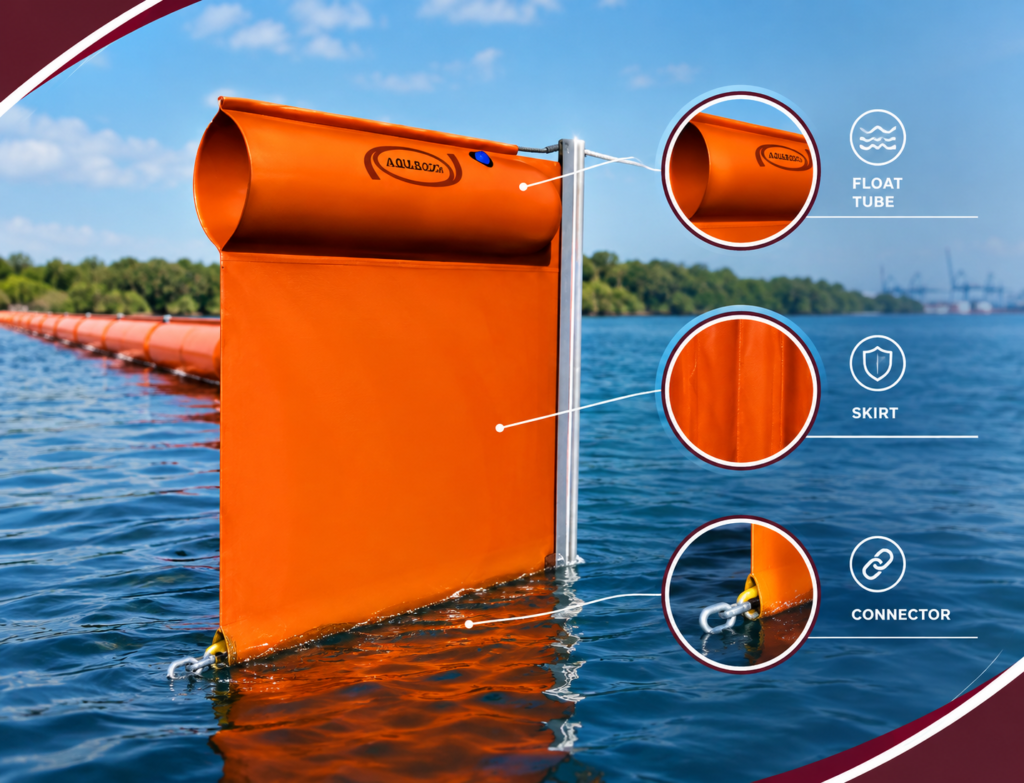
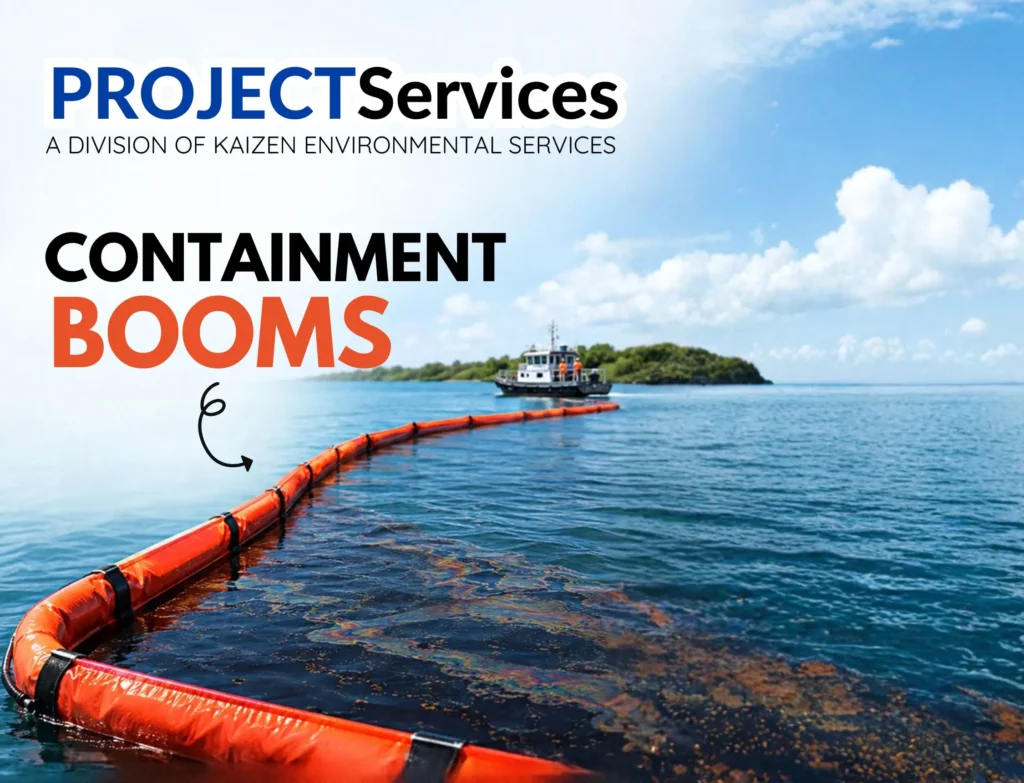
Containment booms are specialized floating barriers commonly used during oil spill response operations. They are designed to surround, contain, or redirect floating oil and certain other surface contaminants, helping prevent them from spreading into more sensitive areas.
Depending on the situation, booms may be deployed in rivers, harbours, coastal zones, and offshore environments. Their design and configuration vary according to water conditions, the type of pollutant, and the objectives of the response operation.
How Do Containment Booms Work?
Containment booms create a physical barrier on the water’s surface. When properly selected and deployed, they can help limit the movement of floating oil and concentrate it within a defined area, making recovery and cleanup operations more manageable.
Once the pollutant is contained, response teams may use specialized equipment, such as skimmers and other recovery systems, to remove the contaminant from the water.
However, their effectiveness depends on several factors, including currents, waves, wind, water depth, the properties of the spilled material, and the correct positioning of the boom.