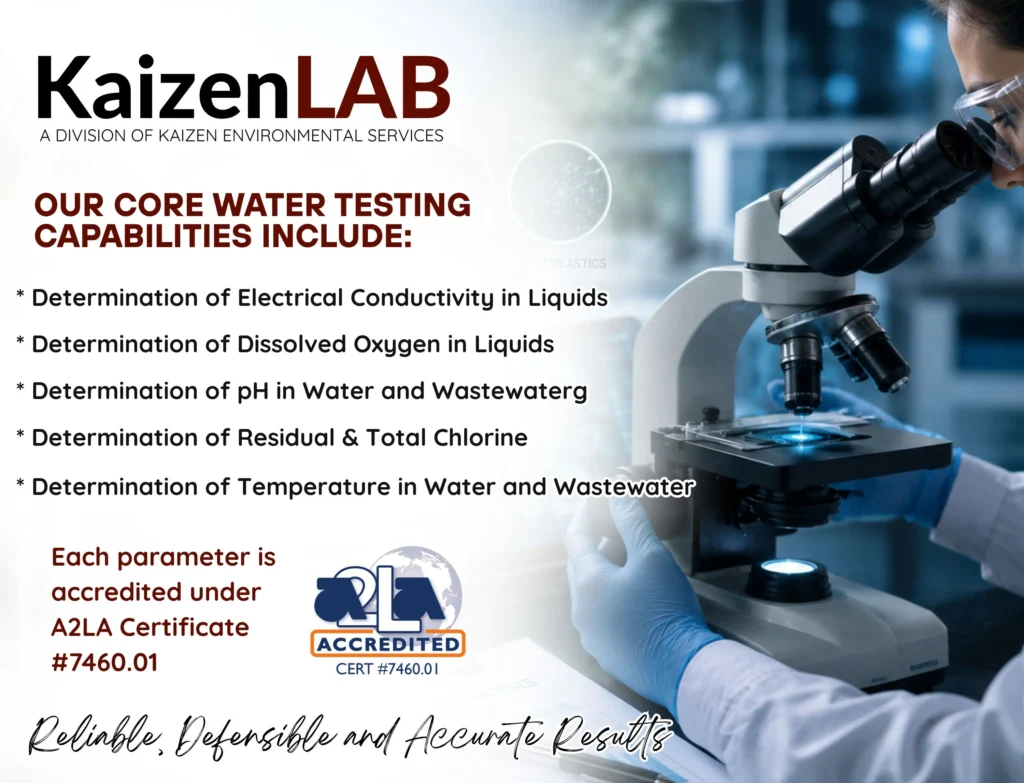
Safeguarding Water Through Science: The Invisible Value Behind Every Drop
Water Week begins on August 23, aiming to raise awareness about the strategic value of this finite resource. In the face of population growth, climate change, and industrial pressure, protecting water requires going beyond household conservation efforts and ensuring its quality, safety, and sustainability through scientific approaches.
Water safety is a critical issue: imperceptible substances and micro-pollutants can disrupt entire ecosystems and jeopardize public health. Guaranteeing clean water demands constant monitoring, analytical rigor, and comprehensive management that protects water sources at every stage of the water cycle.
In this context, laboratory analysis becomes the primary tool for environmental prevention and control. Accurately assessing physicochemical and microbiological parameters enables the timely detection of invisible risks, ensuring that every drop returned or consumed meets the most rigorous standards.
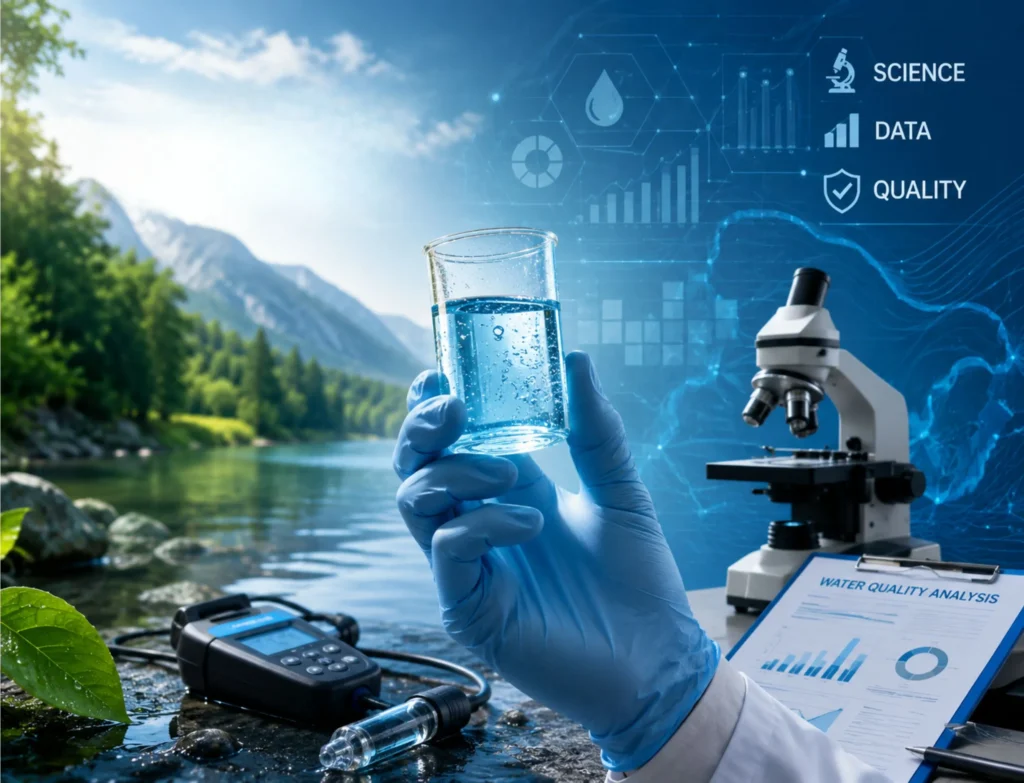
Science and Safety: What Cannot Be Seen with the Naked Eye
To the naked eye, an effluent or body of water may appear clean, but its true quality is determined at the molecular and microbiological levels. Factors such as the presence of dissolved metals, pH imbalances, oxygen fluctuations, or the presence of pathogens require analytical rigor to detect and monitor. This is where KaizenLAB (the analytical division of Kaizen Environmental Services) plays a vital role in preserving water resources.
KaizenLAB’s Contribution to Water Quality
With over 30 years of analytical experience in environmental chemistry and microbiology, KaizenLAB operates as a strategic partner for industry, communities, and environmental authorities in the monitoring and precise diagnosis of natural water, potable, and wastewater.